IP300
SIP Intelligent Dispatch Console · Unified Voice, Dispatch, and Broadcast
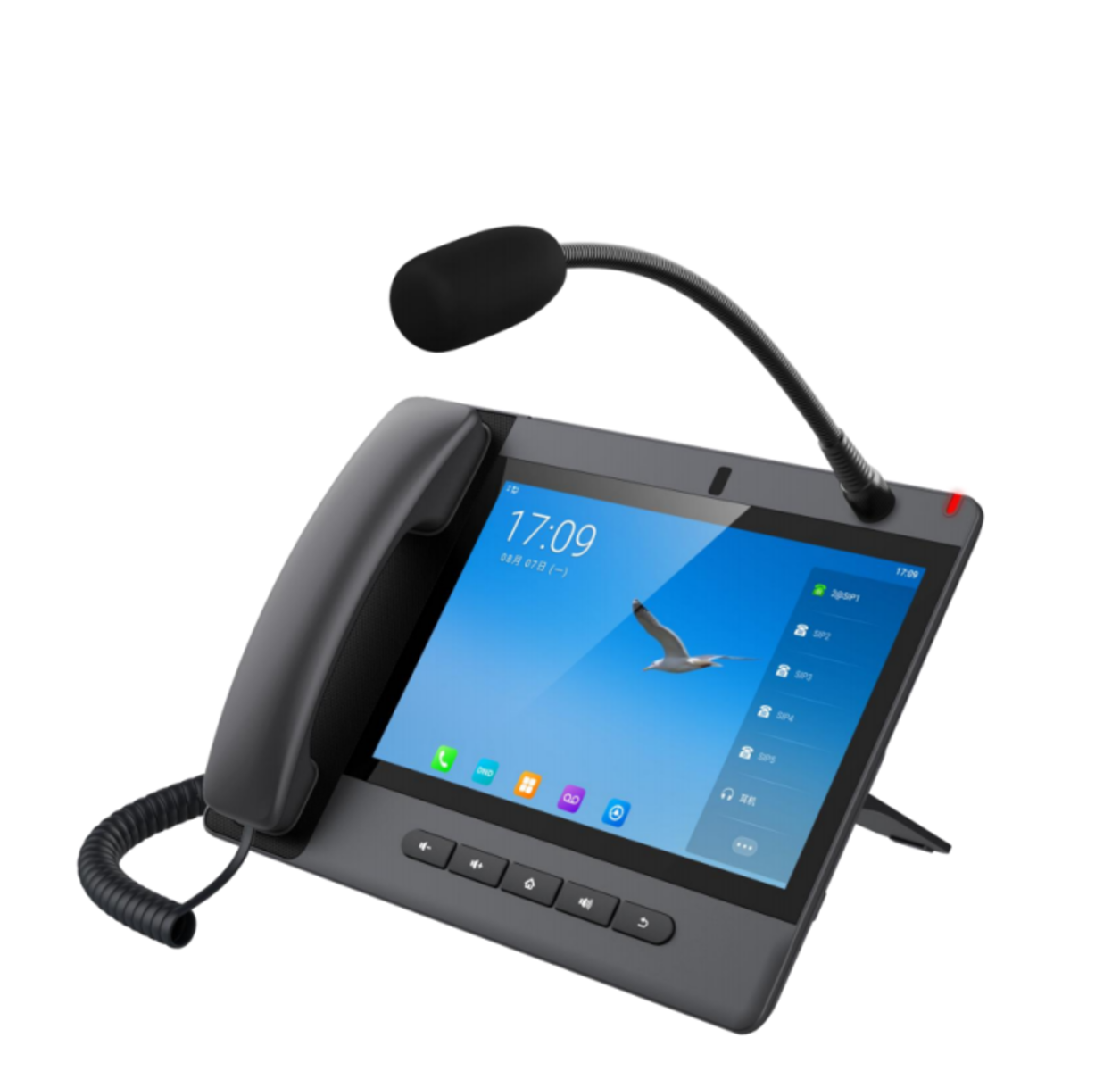
A visual large-screen paging console for energy, manufacturing, transportation, and emergency communication. Built on standard SIP and industrial-grade hardware — 10.1″ color touchscreen, gooseneck microphone, 8MP camera, and 112 programmable DSS keys — it serves as a command-center master station for dialing, two-way intercom, monitoring, and broadcast paging across all subordinate terminals.
Why It Matters
Full-duplex HD Audio & Video
Acoustic echo cancellation (AEC), noise reduction, packet-loss concealment, and dynamic jitter buffer; 8MP camera with privacy cover keeps calls clear in tough environments.
Smart Dispatch · One / Group / All-call
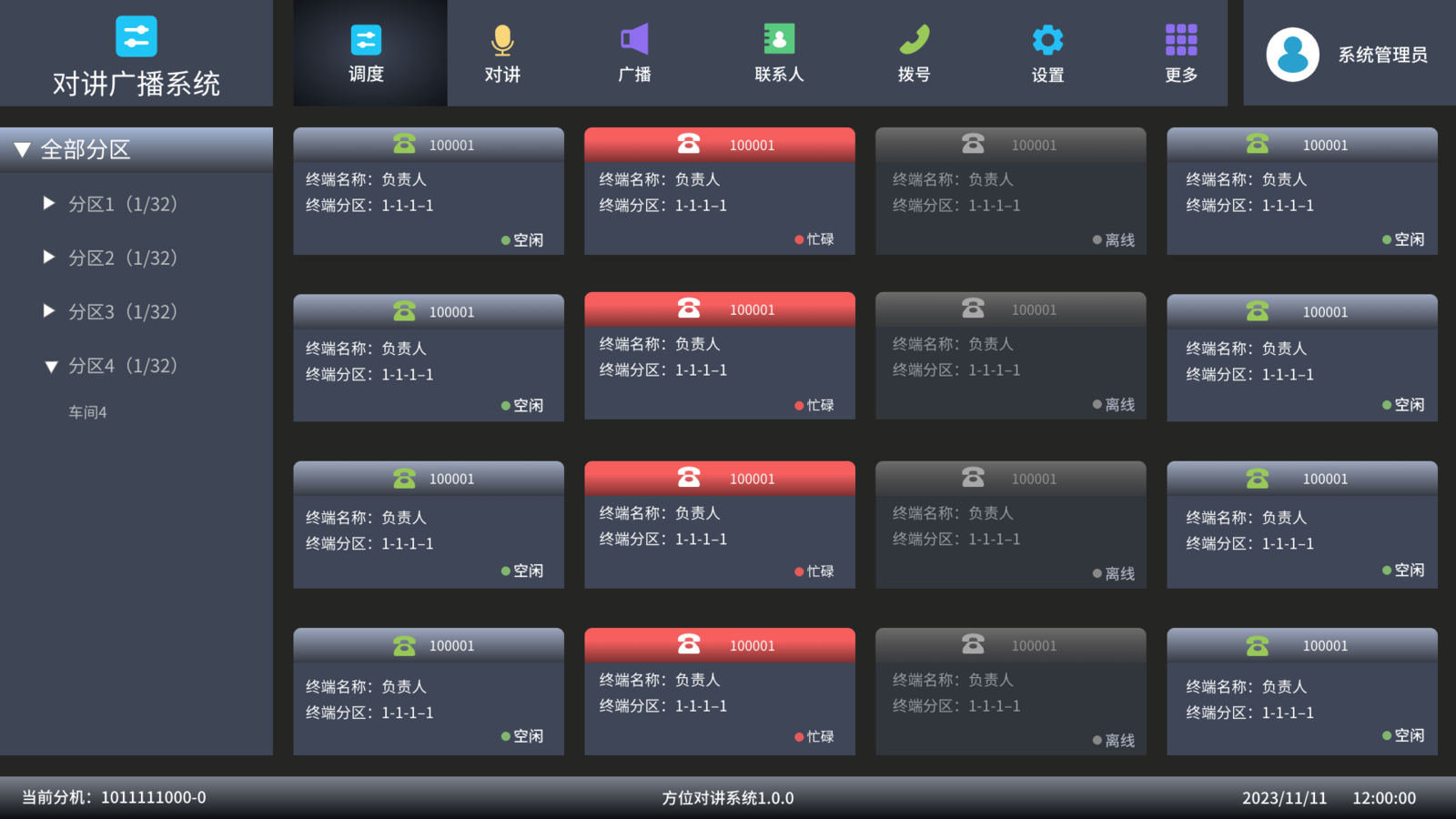
One IP300 is a complete command station — 112 programmable DSS keys for broadcast and zoned dispatch, with BPBX integration for group-call paging.
Industrial-grade Hardware
Android 9.0, 10.1″ 1280×800 touchscreen, PoE-powered, 0–45 °C operating range, 10–95% RH — suited for factories, energy facilities, and field command vehicles.
Standard SIP, Plug-and-play
SIP 2.0 over UDP/TCP/TLS, RTP/SRTP, IPv4/IPv6, 802.1x, LLDP, QoS — drops into any existing IP comms network or third-party platform.
Capabilities
All-in-One Command Workstation
A 10.1″ color touchscreen, gooseneck microphone, and HD handset (handset / hands-free / headset modes), dual RJ9 jacks, desk-mounted. An LED status indicator surfaces the device state at a glance. One unit handles dispatch, dialing, broadcast, intercom, and contacts end-to-end.
112 Programmable DSS Keys (28×4)
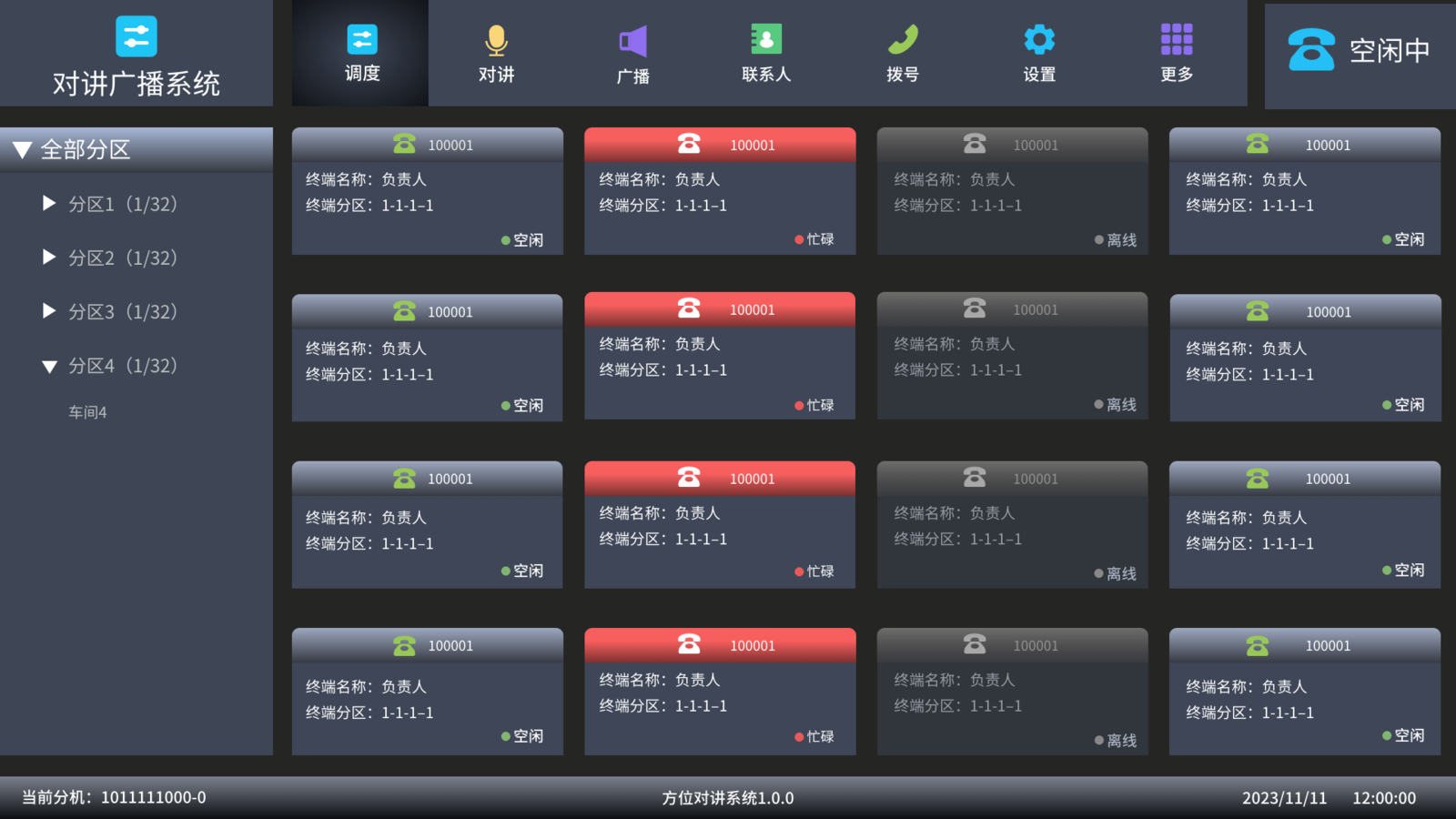
28 columns × 4 rows of DSS keys can be programmed as contacts, broadcast groups, or emergency shortcuts. One-tap call, one-tap multicast — no menu hunting under pressure.
Dispatch / Broadcast / Intercom — Three Workspaces
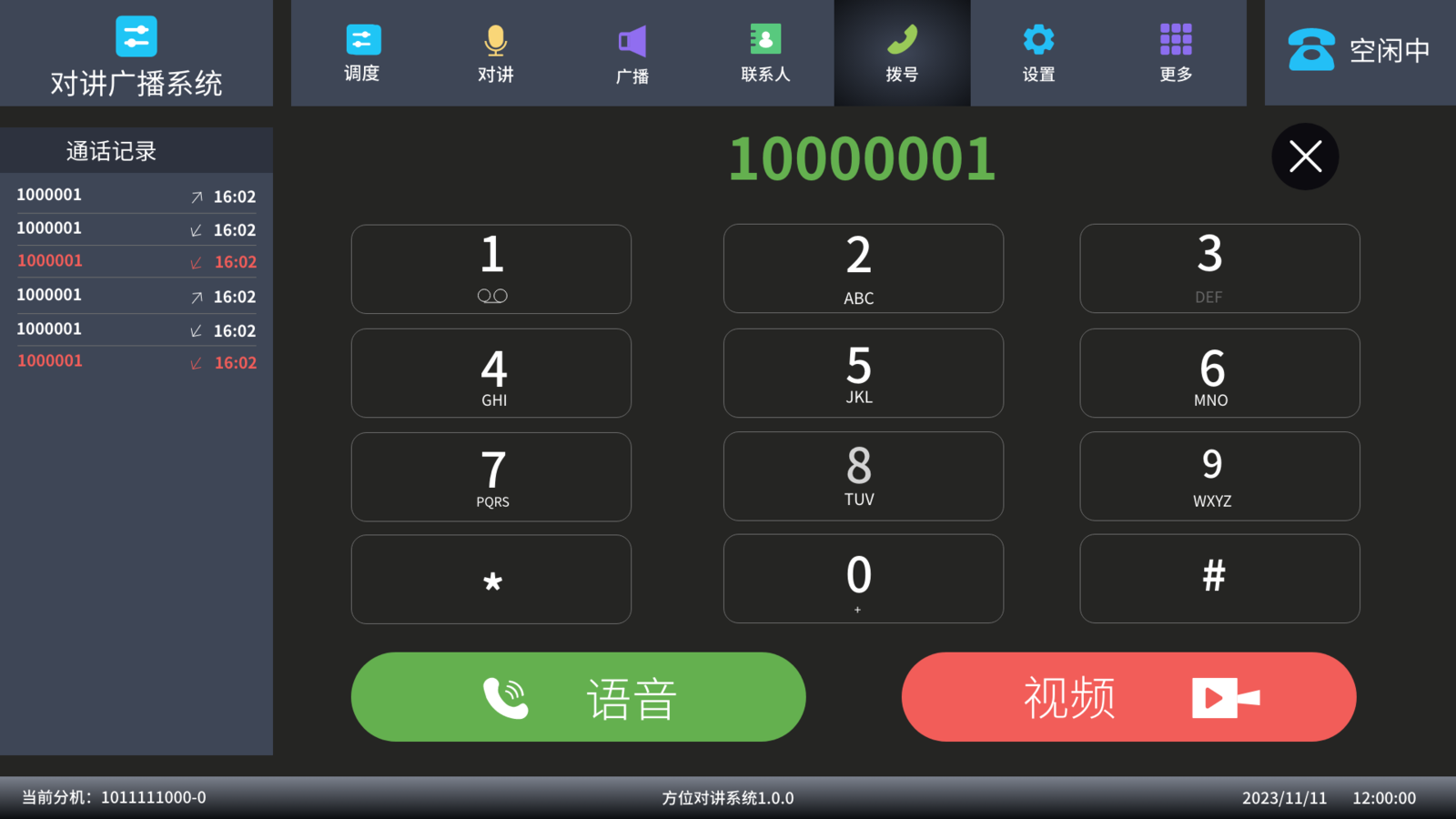
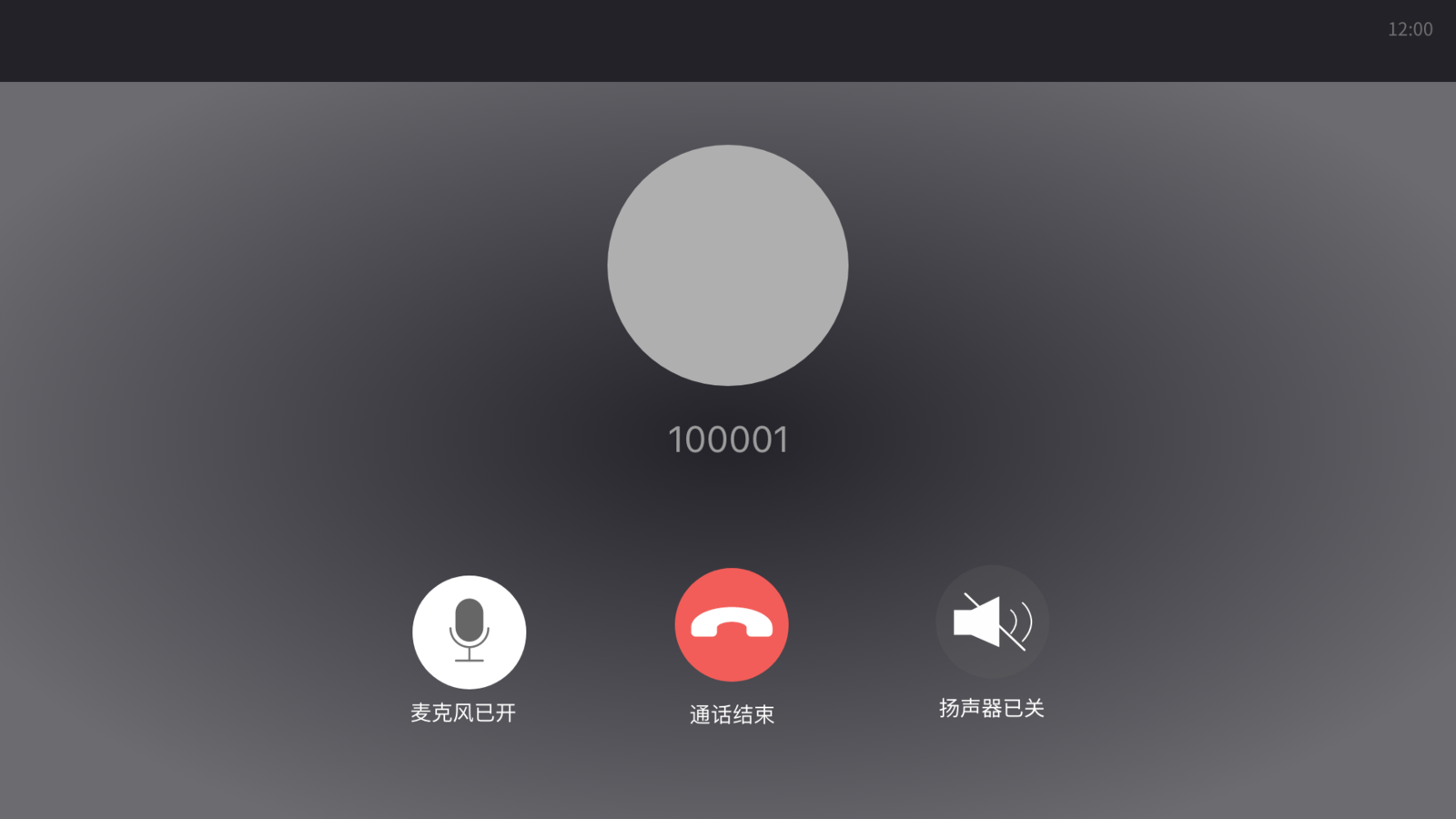
A Dispatch view for online terminals and dialpad; a Broadcast view with music selection, play / pause / minimize, and zone push; an Intercom view that distinguishes speaker and listener with one-tap mic toggle. Three workflows, no interruptions, instant switching.
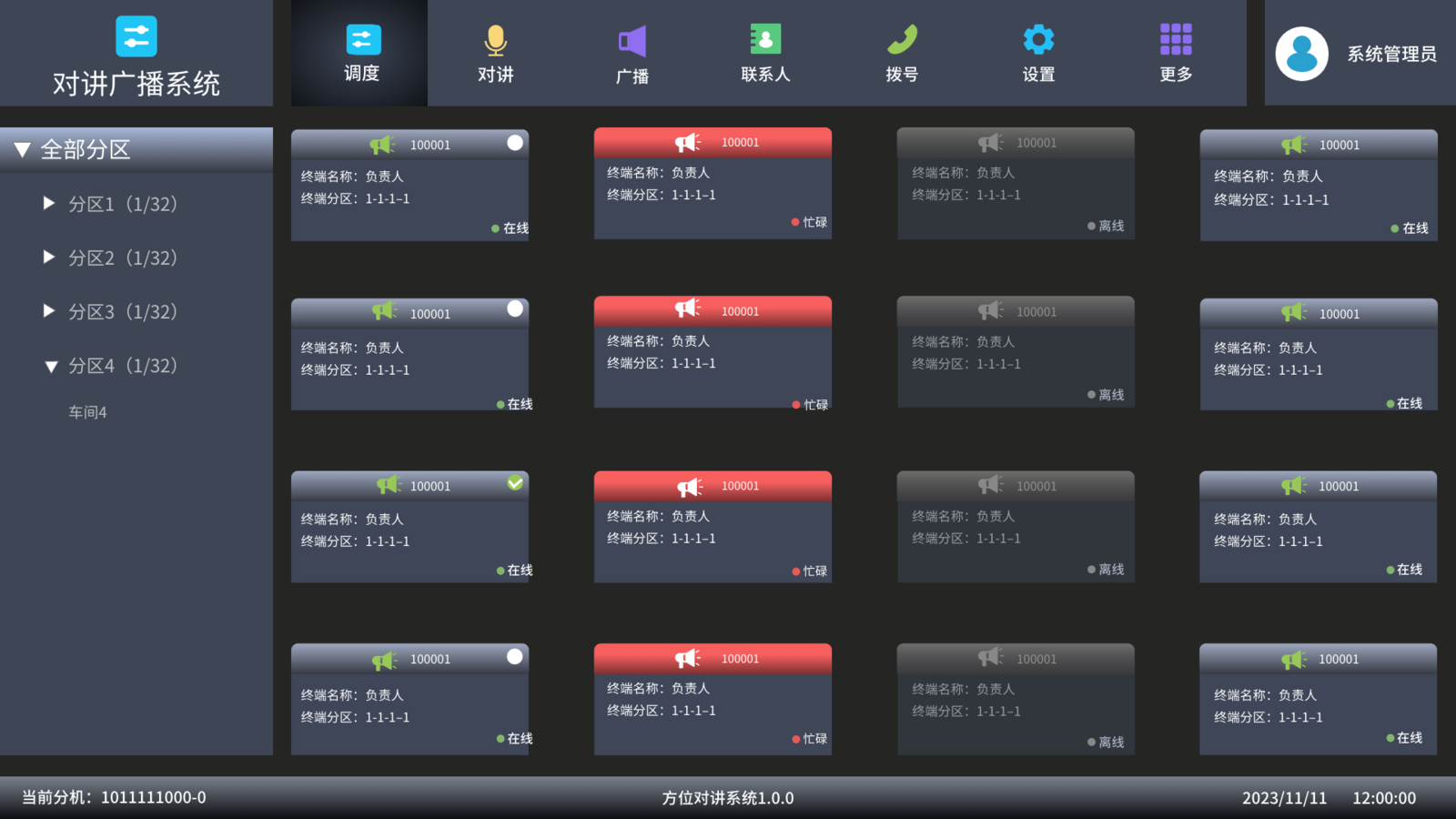
Audio-Video Linkage · Camera Extension
Beyond the built-in 8MP camera, IP300 integrates with on-site cameras for AV linkage (Hikvision HCNetSDK ready). Video calls support H.264/H.265, CIF through 1080P, and remote full-screen — so commanders don't just hear the scene, they see it.
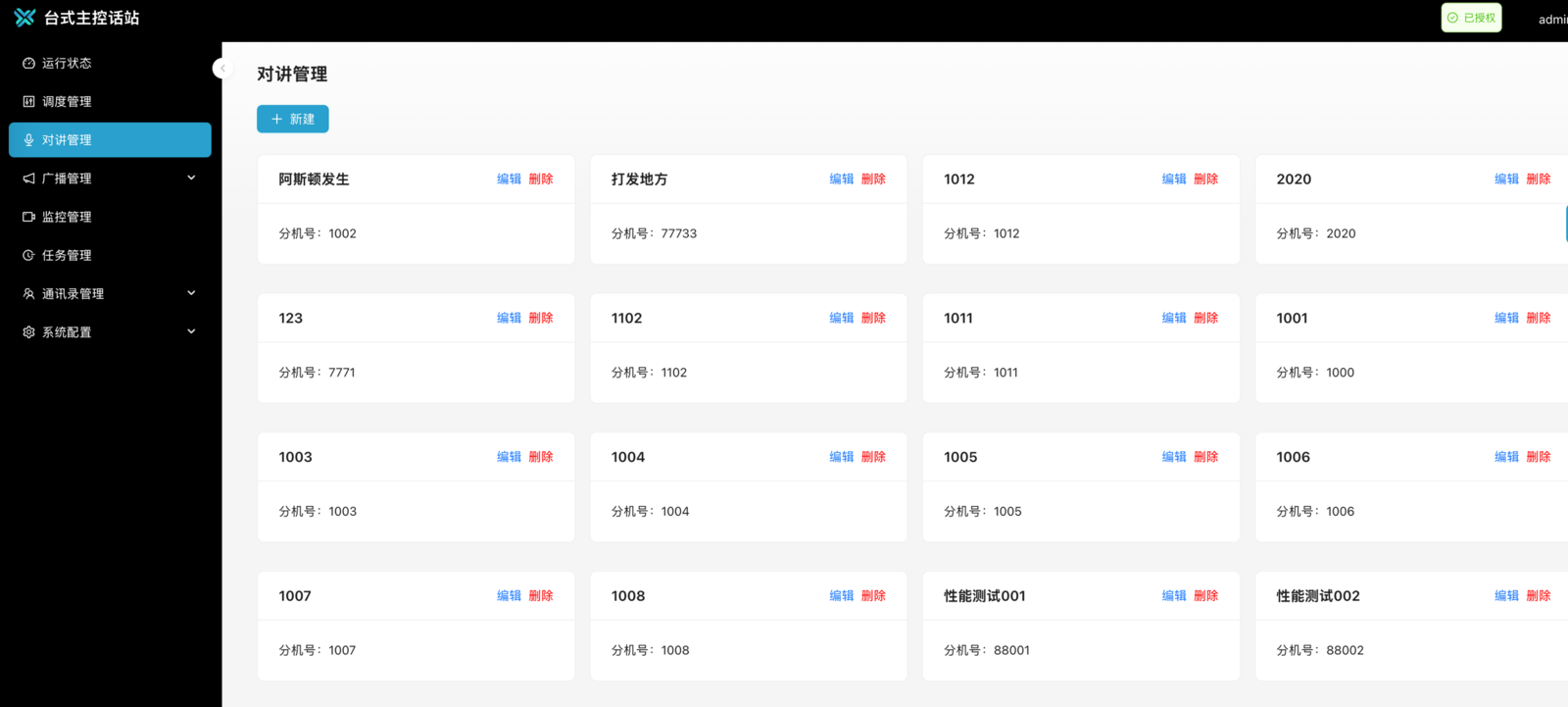
Web Management · Bulk Operations
The built-in web console covers runtime status, dispatch/intercom/broadcast/monitoring/task management, contacts, and system config. Config push, firmware upgrade, backup, log analysis, and factory reset all in one place — one admin remotely operates hundreds of terminals.
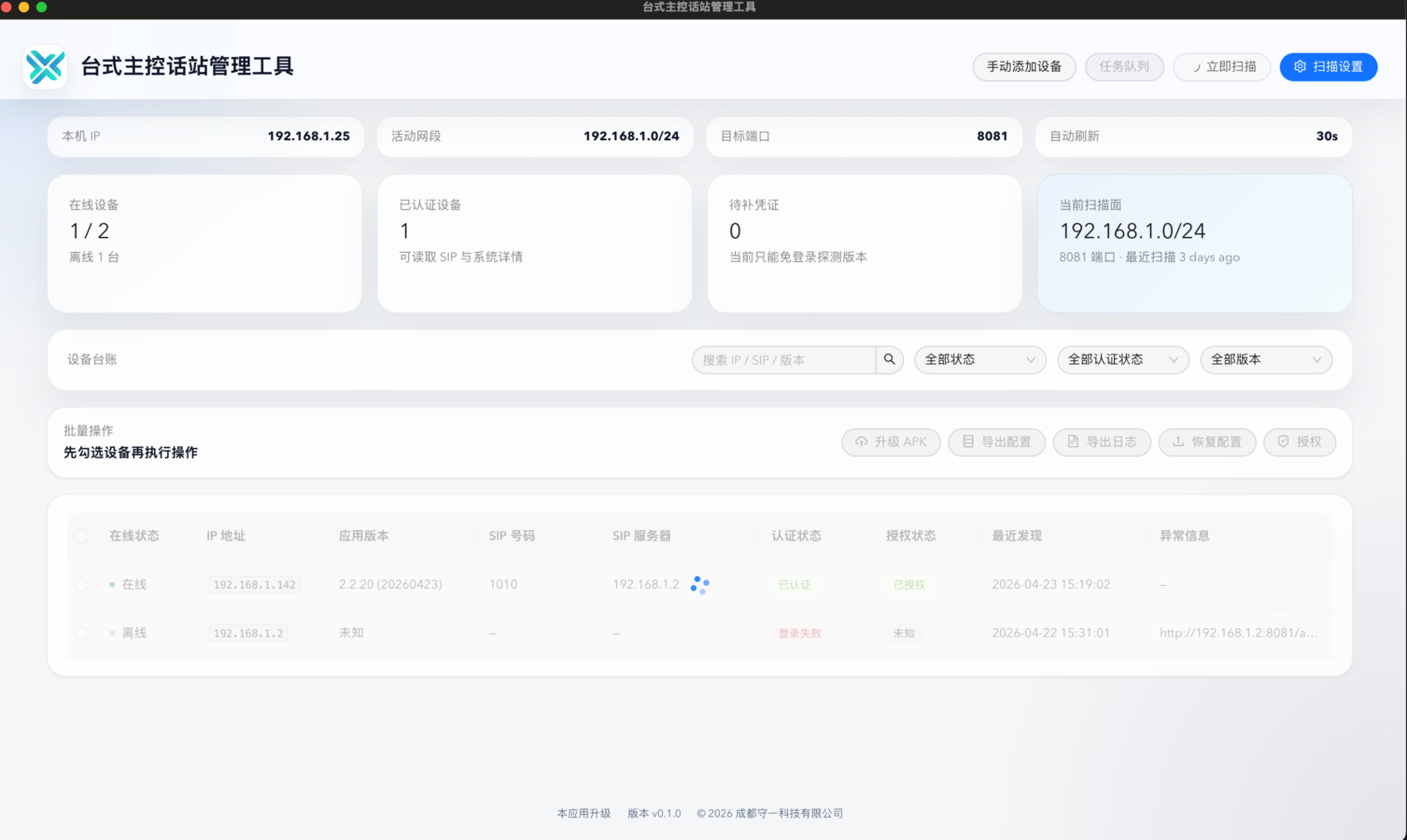
Desktop Fleet Manager · Subnet Scan + One-Click Ops
A bundled cross-platform desktop tool auto-scans subnets, builds a device ledger (IP / SIP / app version / status), and runs bulk APK upgrades, config / log export, config restore, and unified licensing. With 30s auto-refresh, fleet ops feel as direct as inspecting your Wi-Fi.
System Integration · Standard SIP Plug-and-play
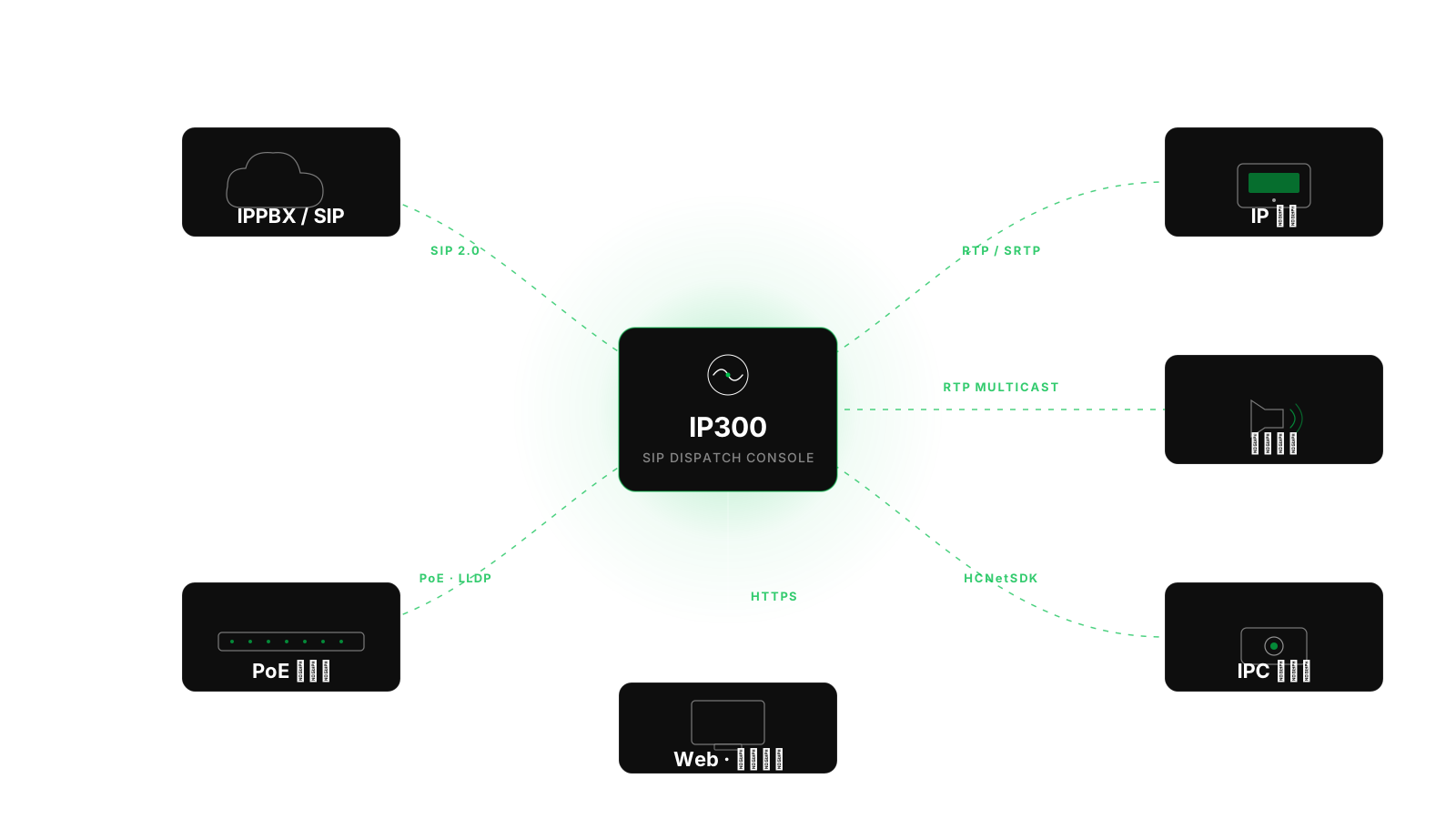
IP300 sits at the dispatch center — upstream to a SIP/IPPBX registrar, downstream through a PoE switch to IP terminals, IPC cameras, broadcast speakers, and a management PC. Built on standard SIP 2.0, RTP/SRTP, HCNetSDK, and HTTPS, it drops into any existing IP comms network or third-party platform.
Use Cases
Energy & Industrial Dispatch
Full-duplex command between control rooms and field crews in power plants, chemical plants, mines, and manufacturing floors — with IP broadcast for urgent alerts and production coordination.
Public Safety & Emergency Response
Emergency operations centers, fire / police / armed-police consoles, and on-site command vehicles — group-call mustering, zoned broadcast paging, and live video uplink.
Transportation Command Centers
Airport towers, subway control rooms, highway tunnels, port terminals — HD voice with video linkage and real-time broadcast for the dense dispatch demands of transport hubs.
Campuses, Buildings & Large Venues
Industrial parks, hospitals, schools, and arenas — unified security intercom and public address with zoned music playback and one-tap emergency override.
Specifications
FAQ
Can IP300 connect to an existing SIP / VoIP system?+
Yes. IP300 is SIP 2.0 compliant (UDP / TCP / TLS) with RTP/RTCP/SRTP, supports IPv4 and IPv6, 802.1x, LLDP / CDP, and QoS. It registers to any SIP-compliant IPPBX, SBC, or dispatch server.
Does it integrate with on-site cameras?+
Yes. Beyond the built-in 8MP camera, IP300 ships with Hikvision HCNetSDK integrated, enabling direct connection to IPC cameras for incoming-call video linkage, remote full-screen view, and recording uplink.
How many terminals can a single IP300 manage?+
As a master station, IP300's concurrency is primarily bounded by the server (e.g. BPBX or a third-party IPPBX). Paired with BPBX, a single console comfortably supports hundreds to thousands of terminals for calling, group-cast, and broadcast.
Is a dedicated PoE switch required?+
Not required. IP300 supports both standard PoE and a 5V/2A adapter. With existing PoE infrastructure, a single Ethernet cable powers and connects the device; otherwise, use the bundled adapter.
How do firmware upgrades, backups, and factory resets work?+
All managed through the built-in web console: firmware updates, config import/export, log analysis, and factory reset — distributable across the entire fleet without touching each device.
Do operators need training to use it?+
The UX mirrors common smart terminals. With Android 9.0, touchscreen, physical keys, gooseneck mic, and handset, new operators typically master the dispatch / broadcast / intercom workflows within half a day.
Want to try it or discuss customization?
Leave a brief — a product manager replies within 24 hours
Contact Us→


Services

Cases

